RiME Switch NSP
Report Link Error
Select the broken download file, then submit the report.
Screenshots
About Game
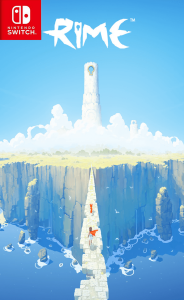
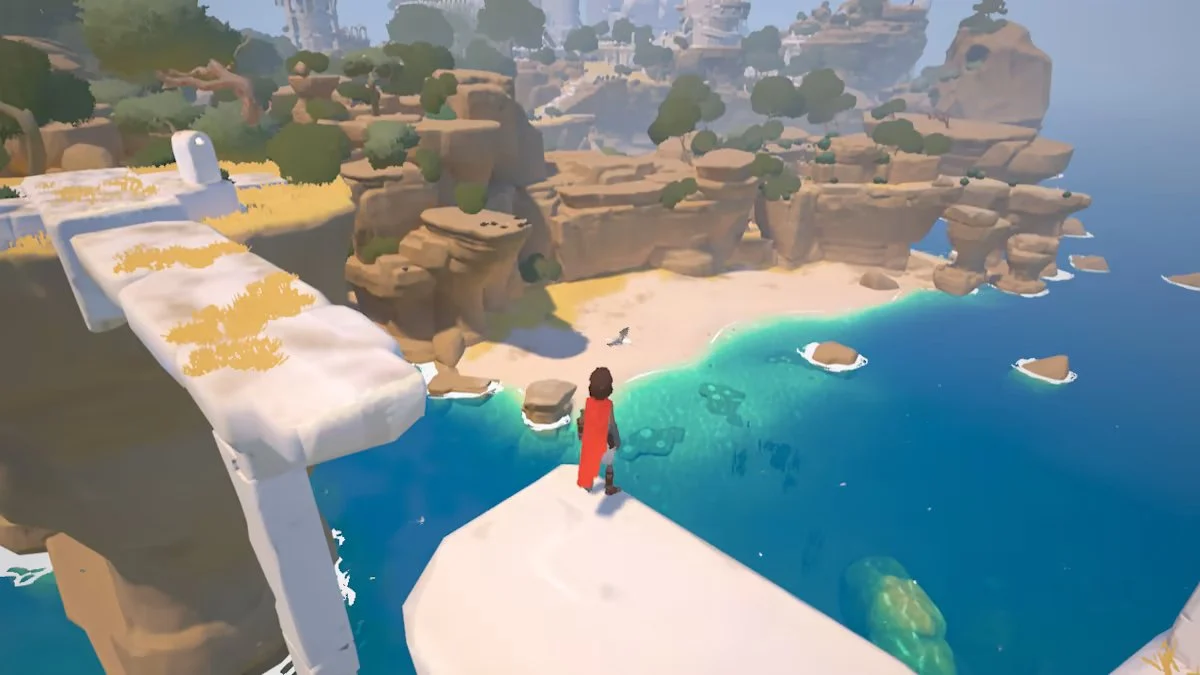
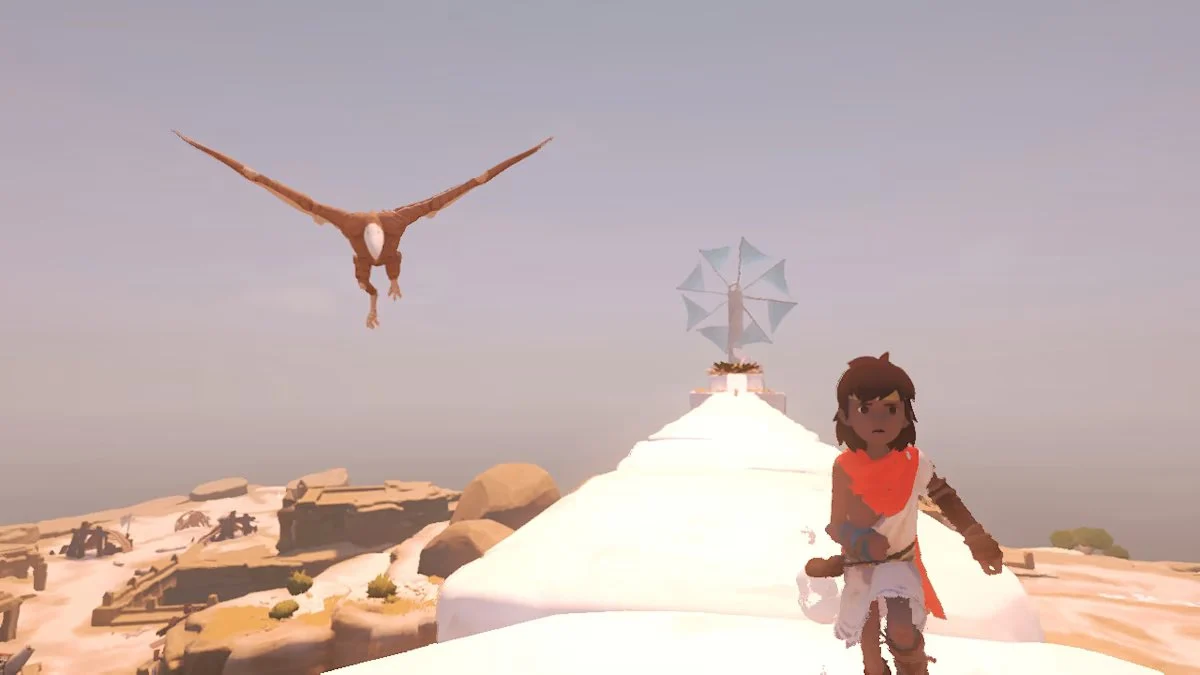
RiME Switch NSP is a Nintendo Switch puzzle-adventure from Grey Box, released in the USA on November 18, 2017. It follows a young boy who washes ashore on a mysterious island, where a distant tower, ancient ruins, and an ethereal fox set the direction for a quiet journey built around discovery.
RiME on Nintendo Switch: A Puzzle-Adventure Overview
RiME Switch places its player in a colorful but enigmatic world that invites curiosity rather than haste. The island is more than a backdrop: its beaches, caverns, weathered structures, flora, and strange mechanisms all contribute to the sense that something important happened there long before the boy arrived.
As a puzzle adventure game, RiME combines free-form exploration with a guided path toward the towering structure visible in the distance. The player is encouraged to move through each area at a measured pace, looking for routes forward and considering the purpose of the objects, murals, and landmarks encountered along the way. Its presentation supports that approach through a vivid art style and an evocative soundtrack that gives each new location emotional weight.
The Switch release supports English, Japanese, Spanish, French, German, Italian, Portuguese, and Russian. Its calm structure makes it suited to players who enjoy environmental discovery, light platforming, and puzzles that ask for attention rather than fast reactions.
Environmental Storytelling, Loss, and Acceptance
RiME environmental storytelling carries much of the game’s narrative. Rather than relying on extensive dialogue, the journey communicates through visual details: abandoned ruins, painted murals, ancient devices, shifting scenery, and the gradual revelation of the island’s history. A player who pauses to look around will often find clues that place an area in a larger context.
The boy’s trip toward the tower also works as a personal journey. RiME’s emotional story explores loss, grief, acceptance, and self-discovery through its setting and progression. The island’s mysteries are not presented as separate from those themes; the act of moving forward, uncovering what came before, and reaching unfamiliar places gives the narrative its meaning.
This restrained method of storytelling leaves room for atmosphere. The fox companion is especially important in this regard. It does not need lengthy explanation to feel like a meaningful presence, as its guidance and movement through the world draw attention toward routes, points of interest, and the island’s unresolved secrets.
How RiME’s Environmental Puzzles Work
RiME puzzles are grounded in the spaces around the player. Solutions commonly come from observing how an area is arranged, recognizing an interactive object, or considering what a visual feature might be asking the player to do. The game’s gentle learning curve supports experimentation, allowing its ideas to unfold without turning every challenge into a test of speed.
Object manipulation is one part of the puzzle design. Moving or activating a mechanism may alter a route, reveal an opening, or make another element of the environment usable. Other problems depend on sound, perspective, or a careful reading of the surrounding architecture.
RiME light and shadow puzzles add another layer to that process. Light can be part of the solution, while shadows and visual alignment can help reveal what is important in a scene. These are environmental puzzles in the fullest sense: the answer is often already visible, but it may not be obvious until the player changes position, looks from another angle, or notices a subtle cue.
The fox can also help open paths, reinforcing the idea that progress comes from interaction and observation. RiME does not frame its puzzles as isolated rooms detached from the world. Each challenge belongs to a place, giving mechanisms and landmarks a role in both gameplay and storytelling.
Exploration and Platforming Across the Island
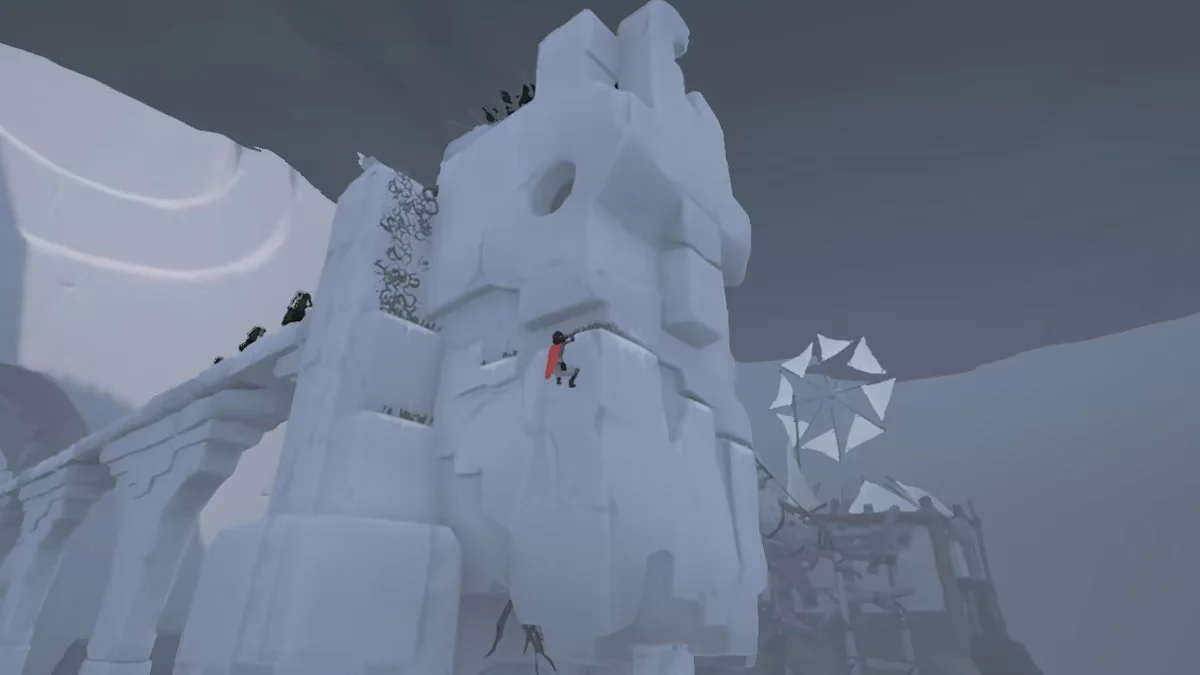
RiME platforming gives the island a physical rhythm. The boy runs along open paths, climbs through ruins, leaps across gaps, and follows routes that wind between natural spaces and ancient construction. Traversal is not built around combat pressure. Instead, it lets players take in the scenery while staying engaged with the question of where to go next.
RiME exploration gameplay moves between sunlit beaches, darker caverns, and imposing old structures. A new area can introduce a fresh visual mood as well as another set of environmental problems. The island’s changing spaces help the journey feel like a progression through distinct places rather than a single repeated landscape.
The ruins are particularly central to this loop. Their walls, platforms, passages, and mechanisms create both the paths players use and the clues they interpret. In RiME Switch NSP, reaching a new ledge or passage often leads naturally into a new observation challenge, making movement and puzzle-solving closely connected.
Why RiME Has No Combat Focus
RiME no combat is a defining feature of its pace. There are strange creatures and mysterious sights on the island, but the player’s primary tools are movement, attention, and problem-solving rather than attacks. That choice keeps the focus on the boy’s journey, the island’s mood, and the gradual opening of new routes.
This does not mean the experience lacks engagement. The player is continually asked to read environments, navigate terrain, and connect clues. The absence of combat gives the scenery, soundtrack, and non-verbal story more space to register. It also makes RiME a relaxing adventure for players seeking an atmospheric game centered on exploration rather than confrontation.
The resulting gameplay is deliberate. A difficult moment is more likely to ask, “What have I missed?” than “Can I react quickly enough?” For an adventure shaped by loss and acceptance, that reflective pace is a natural fit.
5 Observation Tips for Solving RiME’s Island Challenges
- Slow down: Many RiME puzzle tips begin with patience. Before moving on, take a moment to study the full space, including distant structures, raised platforms, and objects that appear out of place.
- Check every angle: Perspective can matter. Walk around a mechanism or landmark, look upward, and view the area from different positions when a route or interaction is unclear.
- Listen closely: Ambient sound and the boy’s cries can be useful signals. A sound may draw attention to something nearby or suggest that an interaction has changed the environment.
- Follow visual clues: Murals, light, shadows, architectural shapes, and the placement of objects can all point toward the next step. Treat the island’s design as part of the puzzle.
- Watch the fox: The fox companion is more than a memorable guide. Its direction and behavior can help lead players toward paths, mechanisms, and discoveries that are easy to overlook.