Railway Empire 2 – Nintendo Switch Edition NSP
Report Link Error
Select the broken download file, then submit the report.
Screenshots
About Game
Railway Empire 2 – Nintendo Switch Edition NSP places players in the steam age, where a growing railway company depends on sound engineering, commercial judgment, and steady expansion. Released on June 22, 2023, this Simulation and Strategy title from KalypsoMediaGroup invites players to develop rail networks across North America and Europe while managing the practical pressures of a competitive railroad business.
Railway Empire 2 on Nintendo Switch: A Railway-Building Strategy Overview
The central appeal is the scale of the railway simulation strategy. Tracks stretch across detailed maps, towns need connections, industries require deliveries, and trains must keep moving as the network grows. The setting draws on the age of steam, giving the management experience a historical railway character without shifting attention away from the company-building decisions.
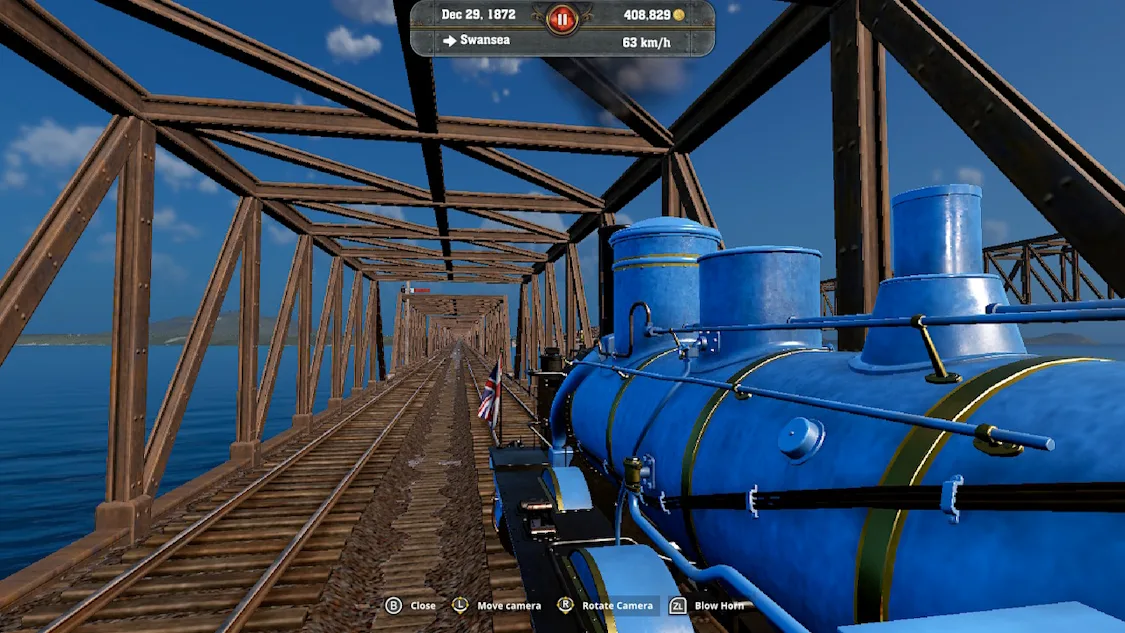
Players take responsibility for more than simply laying rails. A successful steam age railroad management plan involves choosing routes, purchasing and managing locomotives, assigning personnel, researching improvements, and competing for market influence. The game includes a fleet of more than 60 historic locomotives, making train selection part of the wider operational picture.
Its strategy is built around connected systems. A new line can open access to a city, support an industry, create a passenger route, or provide the first step toward a larger commercial corridor. That creates a measured, planning-focused atmosphere: the railway is not just scenery on the map, but the structure that supports every business decision.
Campaign Chapters and the Rise of a Railroad Magnate
The Railway Empire 2 campaign unfolds through chapters set in different regions of North America and Europe. Each scenario presents regional historical and economic circumstances, giving expansion a clearer purpose than unrestricted track building alone. Players begin as an aspiring railroad magnate and work toward a more influential position by meeting objectives and developing their company.
Progression comes through the demands of each chapter. Expanding lines, linking industries, moving goods and passengers, and responding to local market needs all contribute to the growth of the railroad. Historical figures and pivotal moments are also part of the campaign framework, placing the company’s ambitions within the broader period.
Competition gives these North America and Europe scenarios further pressure. Up to four rival companies can contest market dominance, so growth cannot be treated as a purely private exercise. A route that looks useful may also be strategically important because of where competitors are building. The campaign asks players to balance immediate objectives with the longer task of protecting influence.
Designing Efficient Track Networks Across Expanding Territories
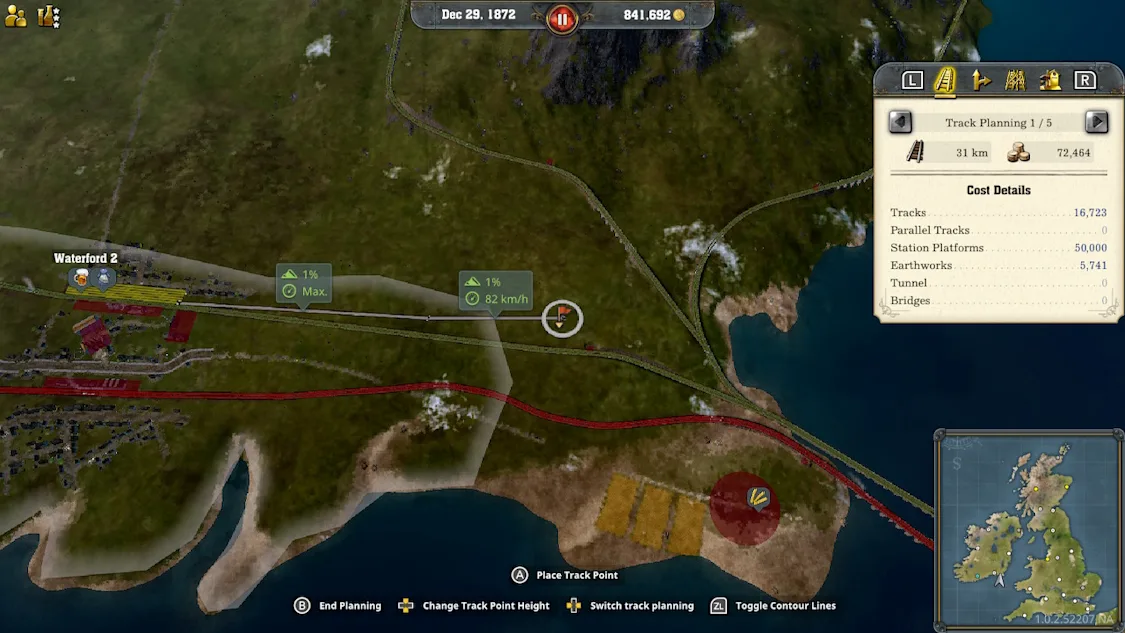
Track construction is one of the most important parts of railway network planning. As territories expand, each section of rail affects the cost, speed, and reliability of later operations. A thoughtful Railway Empire 2 track layout can make it easier for trains to reach key destinations without wasting money or time on inefficient routes.
Unnecessary curves are particularly worth avoiding. Straighter routes help limit construction costs and can improve train speed, which matters when goods and passengers need to move through a busy system. Small choices made while laying an early line can therefore have lasting effects once more cities and industries are connected.
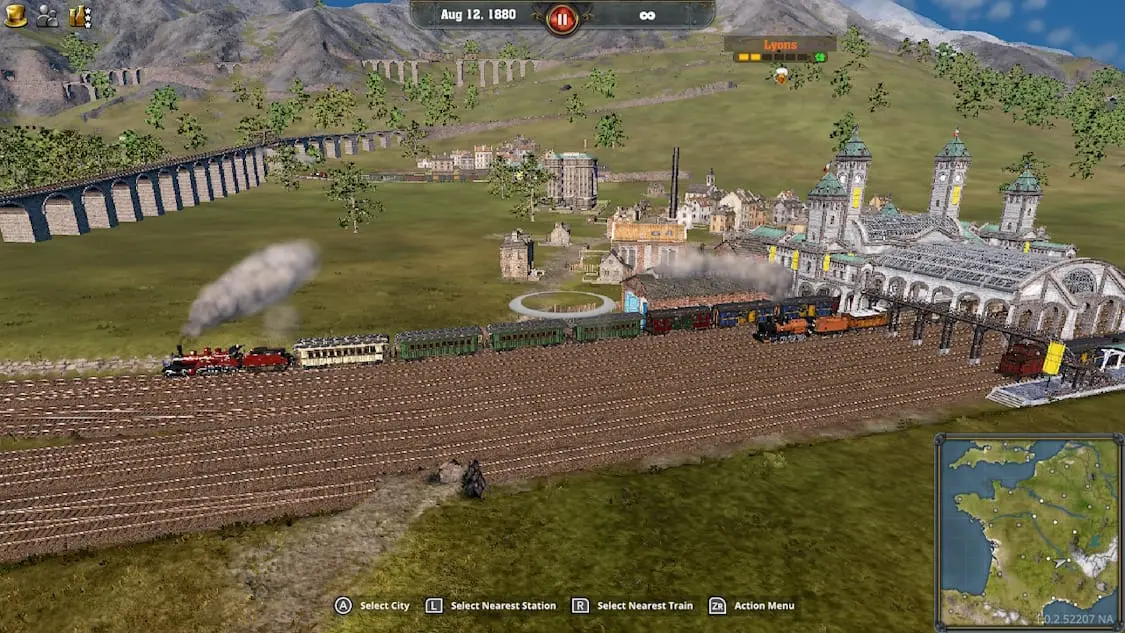
Congestion becomes another concern on successful corridors. When a route carries frequent traffic, parallel lines can help prevent trains from slowing one another down. This approach to train congestion management is not merely cosmetic; it supports smoother transport, keeps goods moving, and allows a growing company to make better use of its busiest connections.
The most useful networks are rarely built all at once. They develop in layers, beginning with profitable links and gradually adding capacity where demand requires it. That makes expansion feel deliberate. Players are encouraged to assess the map, consider the next commercial opportunity, and leave room for the company to grow.
Cities, Industries, and Profitable Trade Routes
The company economy depends on city connections and industrial access. Cities create demand for passenger transport and goods, while industries provide opportunities to move vital materials through the network. Connecting these locations turns track into a functioning business system rather than a collection of isolated lines.
Early attention should go to high-demand cities and industries. These links can generate quicker income and create a stronger base for later expansion. A line that serves a useful industrial connection may also become more valuable when it reaches an urban center, allowing the same network to support several forms of transport.
Building industries is also part of the economic picture. Players can develop industrial sites and integrate them with their rail system, reinforcing the relationship between production and transportation. The aim is to establish profitable trade routes that justify the investment in tracks, trains, and staff.
This gives the game a practical commercial rhythm. A network is judged by what it can carry and where it can deliver it. Passenger services, industrial traffic, and growing urban links work together, while neglected connections can leave potential revenue outside the company’s reach.
How Dynamic Economic Cycles Shape Railway Strategy
Railway Empire 2 includes dynamic economic cycles, meaning that a dependable plan may still need adjustment over time. Market conditions can change, and a company that is prepared to revise its priorities is better positioned to keep expanding. The result is a railway business strategy that values observation as much as construction.
Changing conditions can affect which routes deserve attention, which industries should be connected, and where new investment is most useful. Rather than treating a completed line as a permanent answer, players may need to reconsider their network as demand shifts. This makes each decision part of an ongoing management process.
Research offers another way to respond. New technologies and train upgrades can be unlocked through research, while landmarks can be acquired and developed to increase company prestige. Better engines and other improvements can support a growing operation, especially when the company needs to remain competitive against rivals.
The same flexibility applies to personnel and locomotives. Engineers, conductors, and other essential staff need to be hired and managed, while the train fleet must suit the network’s needs. Railway Empire 2 – Nintendo Switch Edition NSP therefore frames growth as a continuing balance between routes, resources, people, technology, and competition.
7 Practical Steps for Building a Strong Early Railway Empire
- Plan the first routes carefully. Keep track layouts efficient and avoid unnecessary curves that add cost or reduce train speed.
- Connect demand centers first. Prioritize cities and industries with strong demand to establish useful early revenue.
- Build routes with a purpose. Focus on passenger and goods connections that support profitable trade rather than laying track without a commercial role.
- Prepare for busy corridors. Add parallel tracks where traffic becomes heavy so trains can move with less congestion.
- Manage trains and staff. Maintain an appropriate locomotive fleet and assign essential personnel to support efficient operations.
- Research for future growth. Unlock technologies, improved engines, and upgrades that can strengthen the company over time.
- Watch competing companies. Monitor rival activity and adapt expansion plans when market influence is under pressure.
These priorities make the game especially suited to players who enjoy measured planning, transport systems, and economic decision-making. Its campaign structure provides direction, while changing markets, rival companies, route design, and technology research leave room to approach expansion differently from one scenario to the next.