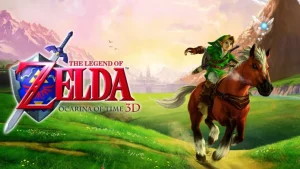
The Legend of Zelda Ocarina of Time 3D Switch NSP (Homebrew Port)
Report Link Error
Select the broken download file, then submit the report.
Screenshots
About Game
The Legend of Zelda Ocarina of Time 3D Switch NSP (Homebrew Port) is presented in the supplied listing as a Nintendo Switch homebrew port with a USA region label, a 600MB file size, and a Base Game designation. Those details offer a narrow but useful starting point. They do not, however, establish that this is an official native Switch release or confirm how closely the package reflects any other version associated with the title.
What the Homebrew Port Label Means for Ocarina of Time 3D on Switch
The wording “homebrew port” is the most important qualifier attached to this entry. It separates the listing from a confirmed retail-style Switch release and signals that readers should approach it with measured expectations. The available information identifies a Nintendo Switch homebrew presentation, but it does not document the technical process behind it, its creators, or its intended level of compatibility.
That distinction matters because homebrew software can vary considerably from officially distributed products. A label alone does not confirm stability, interface behavior, control support, performance consistency, or how much of a source experience has been preserved. The listing provides package metadata, not a complete technical profile.
Readers should also avoid treating the name as proof of a particular feature set. The Legend of Zelda Ocarina of Time 3D Switch NSP (Homebrew Port) may point toward a familiar adventure reference, but the page does not verify specific content, visual enhancements, or platform-specific adjustments. Caution is more useful than assumption when the available description leaves those points open.
Adventure Expectations: Exploration, Progression, and Challenges
The title and supplied reference support broad adventure-oriented expectations. Exploration, progression, observation, and obstacle-solving are all appropriate ways to frame the experience without assigning unconfirmed mechanics to this particular package. The likely appeal is not simply constant forward movement, but a pace that rewards attention to surroundings and a willingness to reconsider earlier goals when progress slows.
That kind of adventure structure can create a deliberate rhythm. Players may be encouraged to study available paths, connect clues to obstacles, and make gradual progress toward larger objectives. These are useful expectations for an Ocarina of Time 3D adventure discussion, yet they should remain general rather than be read as a verified breakdown of individual systems.
The listing does not identify locations, characters, modes, puzzle types, combat behavior, or any other detailed mechanics. It also offers no basis for judging replay value. A return visit to the adventure may depend on factors such as the port’s completeness, convenience, and technical behavior, none of which are confirmed here.
For a suitable audience, the clearest fit is readers interested in adventure challenges built around patient exploration and goal-based progression, while remaining comfortable with incomplete information about the port itself. Those seeking a precise account of controls, pacing changes, or feature parity will need confirmation beyond this listing.
What the Listing Does Not Confirm
The gaps in the page are as significant as the metadata it does provide. There is no confirmed information about Switch port performance, supported controls, supported languages, required firmware, version number, developer, publisher, or release date. The listing also does not establish whether the package behaves identically to any source experience.
Its genre field is marked “Tak Berkategori,” which does not add a more specific classification. The reference supports a broad adventure framing, but it does not turn that broad framing into a complete genre or mechanics guide. Similarly, the Base Game label confirms the type of listed content without confirming patches, additions, or enhancements.
Presentation is another area where restraint is necessary. The page does not describe image quality, menu design, audio, atmosphere, or visual options. It would be unreasonable to infer a particular look or feel from the title alone. Even a familiar name does not verify how a homebrew package presents its material on Switch.
How to Read the Two Preview Images Carefully
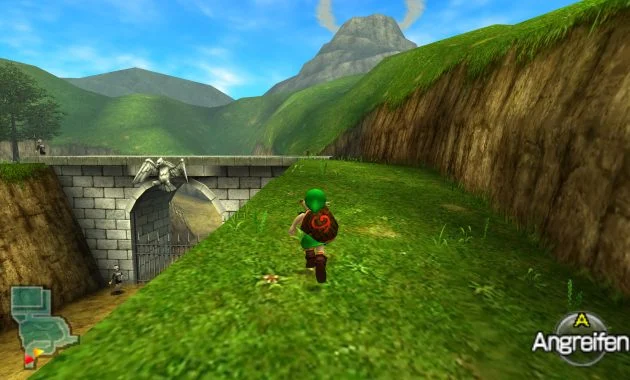
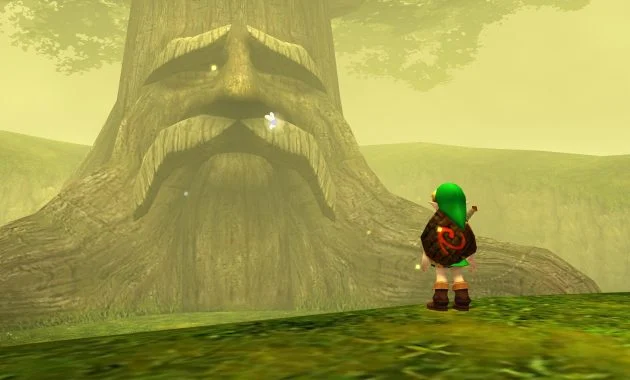
The listing counts two preview images. They can provide a small amount of visual context, perhaps helping readers identify the general subject matter or the kind of presentation associated with the entry. They should not be treated as technical evidence.
Two game listing screenshots cannot confirm frame consistency, responsiveness, control mapping, language support, image behavior, or compatibility across different circumstances. They also cannot establish that every portion of the package performs in the same way as the scenes shown. A still image captures appearance at one moment; it does not explain how the software behaves over time.
This is particularly important for Switch homebrew visuals. Screenshots may be useful for basic recognition, but they do not verify the quality of the port or prove that all expected content is present. Readers should separate visual curiosity from practical confirmation.
5 Details to Verify Before Evaluating This Homebrew Port
- Listing label: Confirm that the entry is described as a Nintendo Switch homebrew port rather than assuming an official native Switch release.
- Region marker: Check that the page identifies the region as USA, which is one of the few package details directly supplied.
- File size: Compare the displayed size with the listed 600MB figure instead of relying on an unstated estimate.
- Base Game status: Note that the content is marked Base Game; no update or DLC package is identified in the available information.
- Metadata match: Make sure the file information shown alongside the page corresponds with the title, region, size, and Base Game metadata displayed there.
These checks do not answer every compatibility question, but they help distinguish confirmed listing details from assumptions. They are especially useful when the page leaves major technical fields blank.
Comparing This Entry With Other Versions Requires Caution
Comparisons with other Ocarina of Time 3D versions should remain limited unless separate confirmation is available. The supplied material does not establish the presence of the same enhancements, patches, controls, content, or technical behavior found elsewhere. It does not confirm matching presentation, performance, or any version-specific refinements.
That caution applies even when two entries share a similar title. A homebrew port comparison requires more than a name match: it needs verified information about the package, its features, and its behavior. Here, the confirmed facts are modest—USA region, 600MB size, Base Game status, two preview images, and a homebrew-port label.
Those facts make the listing understandable without making it more complete than it is. Readers can reasonably expect a broadly adventure-focused reference built around exploration and progression, but the technical and feature-level details remain unknown. Keeping that boundary clear is the most reliable way to assess this entry.
Recommended Similar Games
 Metal Gear Rising: Revengeance Switch NSP (Homebrew Port)View Game
 Spider-Man 2 Switch NSP (Homebrew Port)View Game
 Prototype 2 Switch NSP (Homebrew Port)View Game
 Devil May Cry 4 Refrain Switch NSP (Homebrew Port)View Game
 Mortal Kombat: Shaolin Monks Switch NSP (Homebrew Port)View Game
 Shadow of the Colossus Switch NSP (Homebrew Port)View Game
