Slay the Princess: The Pristine Cut Switch NSP
Report Link Error
Select the broken download file, then submit the report.
Screenshots
About Game
Slay the Princess: The Pristine Cut Switch NSP is listed for Nintendo Switch as a release from Serenity Forge, dated October 24, 2024. Its documented categories—Adventure, Indie, Point-and-click, Role-playing (RPG), Simulator, and Visual Novel—describe a broad, narrative-oriented genre mix. Those labels provide useful expectations for the title’s pace and focus, though they do not confirm individual story events, systems, characters, or modes.
Slay the Princess: The Pristine Cut on Nintendo Switch at a Glance
Published by Serenity Forge, Slay the Princess: The Pristine Cut arrived on Nintendo Switch on October 24, 2024. The release is identified as an adventure title with visual novel and point-and-click classifications, alongside Indie, RPG, and Simulator tags.
That combination places the game in a space where reading, interpretation, and player interaction may matter more than quick reflexes or sustained action. The available listing does not lay out a detailed story premise or a complete gameplay breakdown, so the genre labels are best treated as a guide to the type of experience rather than a full feature list.
Adventure and visual novel categories commonly point toward a presentation built around written material and unfolding situations. The point-and-click label adds an expectation of deliberate observation or interaction. Meanwhile, the RPG and Simulator labels indicate that the release has been catalogued with additional genre influences, but they do not establish a particular combat model, statistic system, resource loop, or progression structure.
What the Adventure, Visual Novel, and Point-and-Click Labels Suggest
For players browsing Nintendo Switch releases by genre, this classification gives Slay the Princess: The Pristine Cut a distinct profile. It is not simply listed as an action game or a conventional RPG. Instead, its categories suggest an experience shaped by narrative attention and considered input.
The visual novel label may appeal to players who enjoy spending time with text, scenes, and presented decisions. The adventure game classification points toward curiosity and forward movement through situations, while point-and-click suggests that examining what is presented could be relevant to the experience. These are reasonable genre expectations, not confirmation of a specific interface or interaction system.
It is important to keep that distinction clear. The supplied information does not confirm branching routes, multiple endings, maps, missions, combat, inventory management, selectable modes, or character progression. Similarly, the RPG and Simulator labels should not be read as proof of a particular leveling system or simulation mechanic. Players interested in exact details should rely on official preview material rather than assume that every familiar genre convention is present.
- Read closely: The visual novel classification suggests that written material may be an important part of the experience.
- Observe carefully: The point-and-click tag indicates that deliberate attention to presented situations may be useful.
- Set measured expectations: Adventure and narrative labels suggest a potentially slower rhythm than a constant-action release.
- Separate labels from features: RPG and Simulator categories indicate influences, not confirmed progression or management systems.
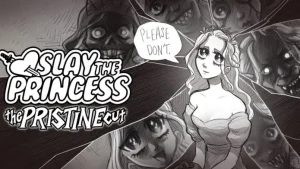
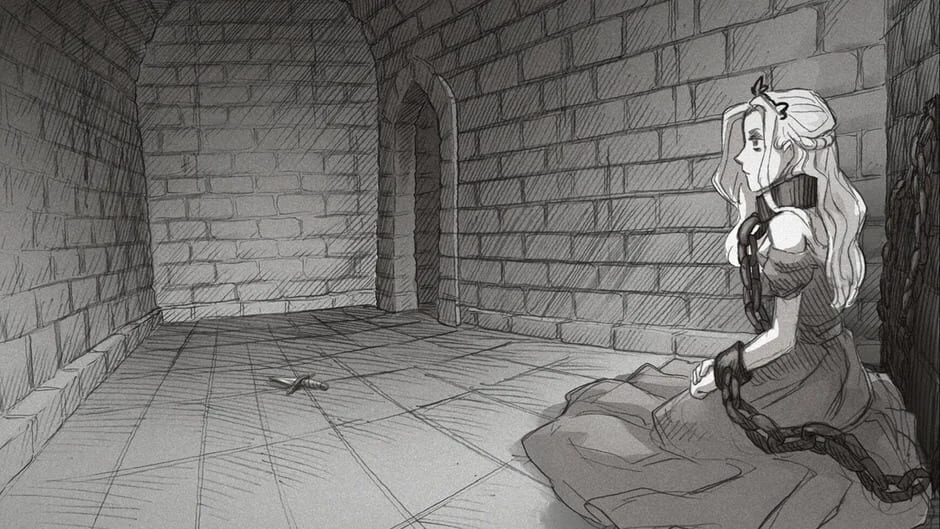
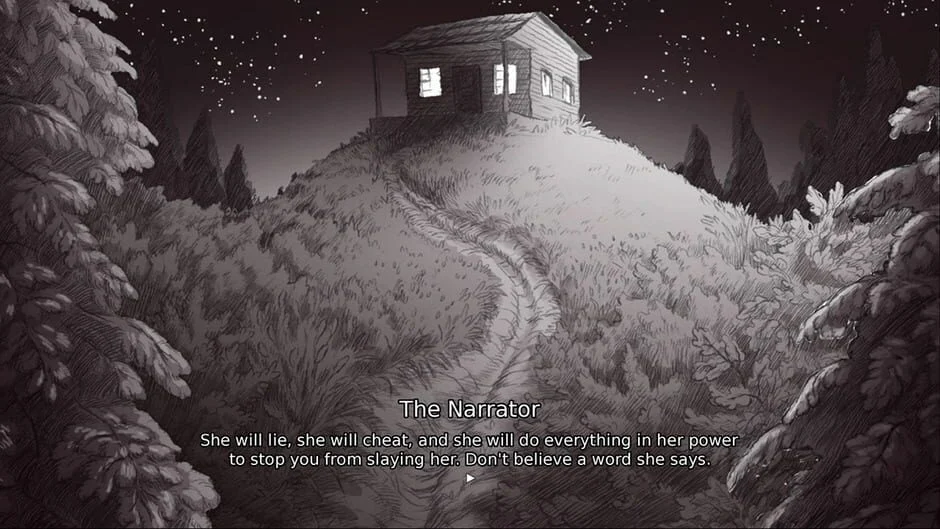
- Check the presentation: Available preview images can offer context for tone and visual style, without confirming unlisted mechanics.
A Reading-First Play Style for Deliberate Players
The listed genres make a reading-first approach a sensible fit. A story-focused game often benefits from patience: taking in the language on screen, considering the information provided, and giving choices proper attention instead of rushing through prompts. In a title classified as both an adventure game and a visual novel, that kind of deliberate pacing may be more rewarding than treating every interaction as something to clear quickly.
“Narrative choices” is a useful phrase here, provided it is not taken too far. The genre mix supports the expectation that player decisions and interaction may have a meaningful place in the flow of the game. It does not, however, verify how choices function, what consequences they have, or whether they lead to separate paths or endings.
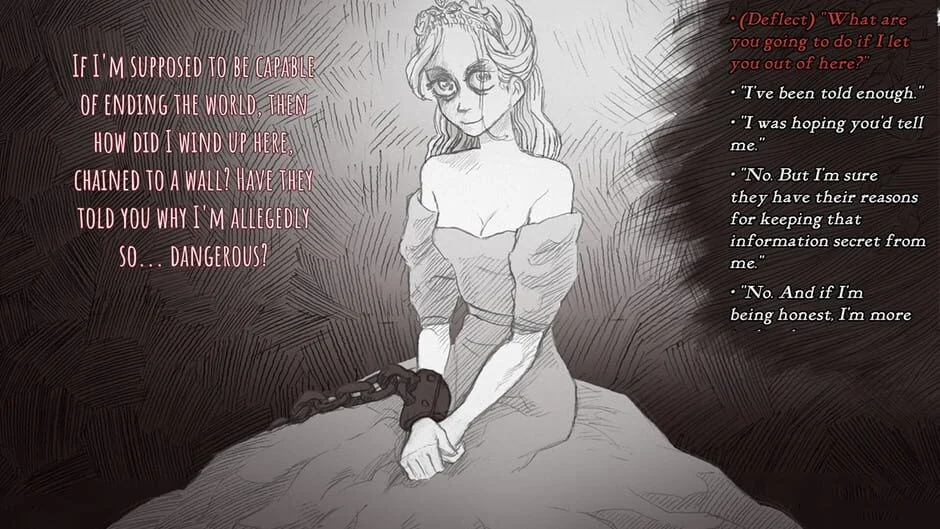
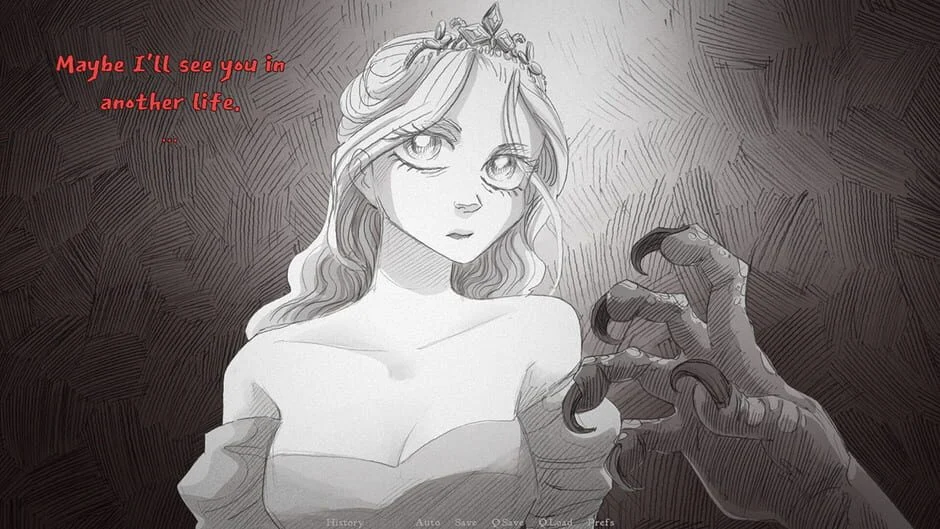
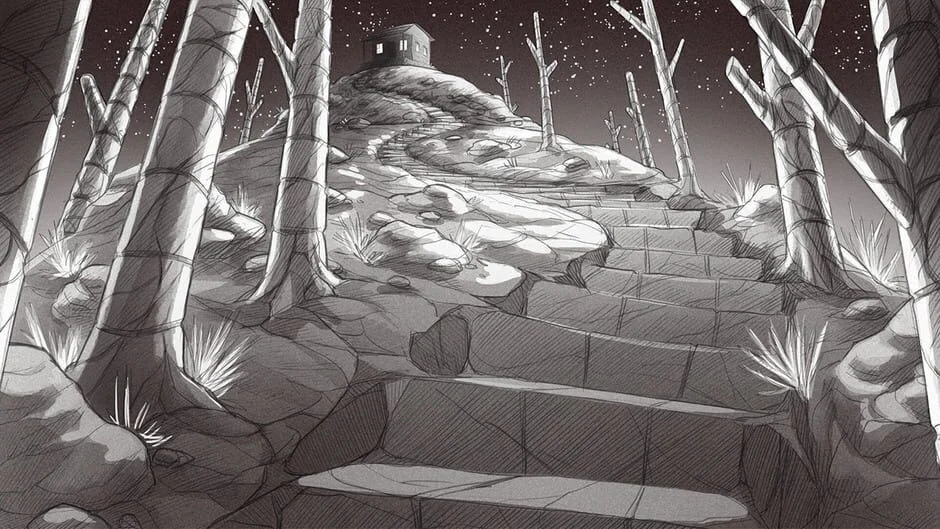
The same restraint applies to atmosphere and presentation. Five preview images are listed, and they may help prospective players judge the game’s visual presentation. They should not be used as evidence for systems that are not documented. The available metadata supports a measured, interaction-led impression; it does not provide enough detail to define the game’s full narrative structure or replay value.
Who May Enjoy This Genre Blend
This indie adventure may be a strong match for players who look for a narrative game on Nintendo Switch and prefer reflection over constant motion. Readers who enjoy visual novels, players drawn to point-and-click framing, and audiences interested in slower-paced interactive experiences are likely to find the classification worth exploring.
The blend may also suit people who appreciate genre combinations without needing every element to fit a single familiar template. Adventure, visual novel, point-and-click, RPG, and Simulator labels create a wide frame, and that frame may be appealing to players open to a title organized around storytelling and considered interaction.
Players seeking uninterrupted combat, rapid traversal, or an action-heavy loop should review official preview material before making assumptions. The listing does not confirm those kinds of features. A Nintendo Switch visual novel with adventure elements can offer a different pace from more immediately action-driven releases, and the supplied information points more clearly toward attention and interpretation than speed.
Language Support for the Switch Release
The Nintendo Switch release lists a substantial set of language options. Supported languages are Japanese, French, German, Italian, Spanish, Korean, Russian, Simplified Chinese, Latin American Spanish, Brazilian Portuguese, Traditional Chinese, and American English.
This language support gives the release a broad international listing. Players looking specifically for American English or Traditional Chinese can find both among the documented options, alongside multiple European, Asian, and Latin American language entries. The listing identifies the languages available, but it does not provide further detail about how language settings are presented or whether every element of the release is localized in the same way.
Release Identification: Date, Publisher, and Title ID
Several metadata fields help distinguish this Nintendo Switch edition from similarly named listings or releases on other platforms. The release date is October 24, 2024, and Serenity Forge is the credited publisher. The Nintendo Switch Title ID is 010080501E80C000.
That identifier is particularly useful when organizing records or comparing editions with similar titles. The listed version is v1.0.10, with a recorded file size of 5.4 GB. These details describe this specific entry and should be checked carefully when distinguishing it from separately listed updates or other related data.
For a concise reference, Slay the Princess: The Pristine Cut Switch NSP is a Serenity Forge-published Nintendo Switch release dated October 24, 2024, identified by Title ID 010080501E80C000 and presented through a genre mix centered on adventure, visual novel, and point-and-click expectations.